

ADAX (Addax nasomaculatus)
The addax (Addax nasomaculatus) is a species of even-toed ungulate mammal belonging to the Bovidae family. Like the other members of its subfamily (Hippotraginae), it is an antelope about 1 meter tall and weighing around 120 kg, with rounded forms, long legs, and a straight profile. However, it does not exhibit the same equine-like features as the rest of its family, appearing more like a conventional antelope. Its facial mask forms a white "X" shape over the forehead and eyes, contrasting with its darker forehead.
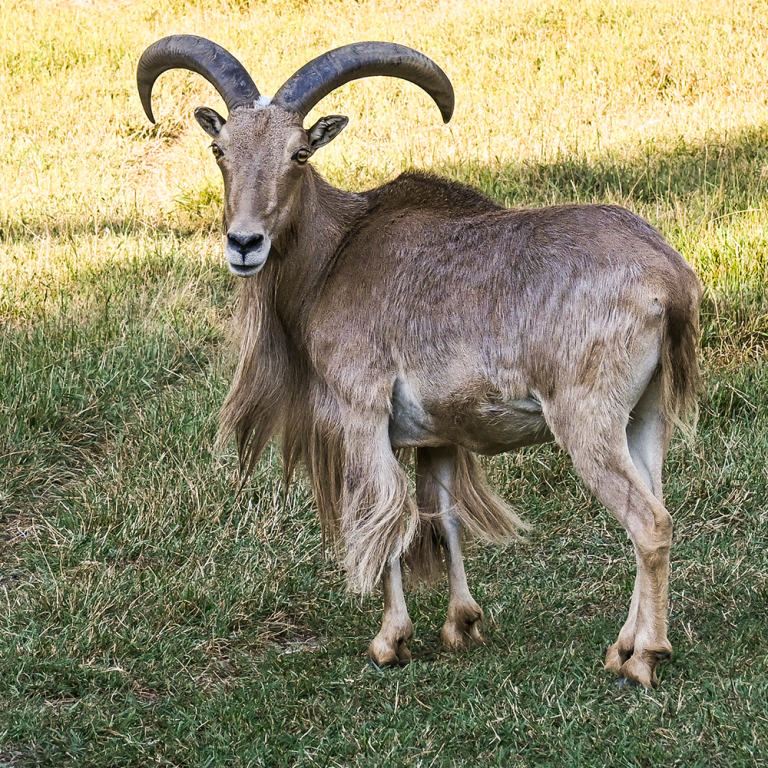
AOUDAD (Ammotragus lervia)
North African, The aoudad stands about 102 cm (40 inches) at the shoulder. It has a fringe of long, soft hair hanging from its throat and forequarters and has semicircular horns that curve outward, back, and then inward over the neck.

AXIS Deer (Axis, Axis)
The Axis Deer, also known as Chital or Spotted Deer, is native to the Indian subcontinent (India, Nepal, Sri Lanka, Bhutan, and Bangladesh)
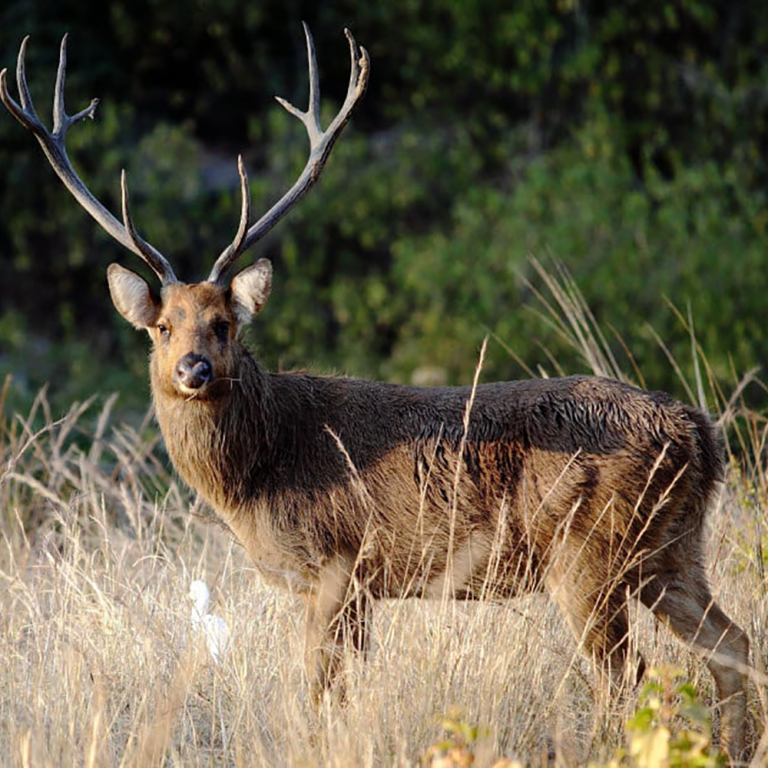
BARASINGHA
Duvaucel's deer, also known as the barasingha or swamp deer (Rucervus duvaucelii), is a species of even-toed ungulate mammal in the Cervidae family, native to India and Nepal.[3] There is ongoing debate about reclassifying this deer under the genus Rucervus, which was previously used as a subgenus, separating it from the common deer.
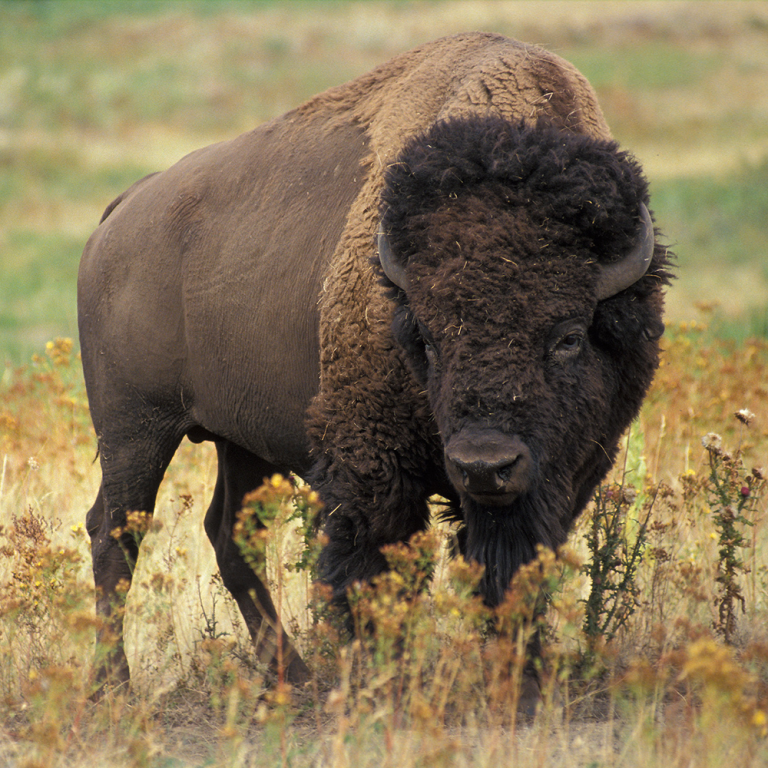
BISON HUNTING
Hunting of the American bison, also commonly known as the American buffalo, was an activity fundamental to the economy and society of the Plains Indians peoples who inhabited the vast grasslands on the Interior Plains of North America, before the animal's near-extinction in the late 19th century following United States expansion into the West.
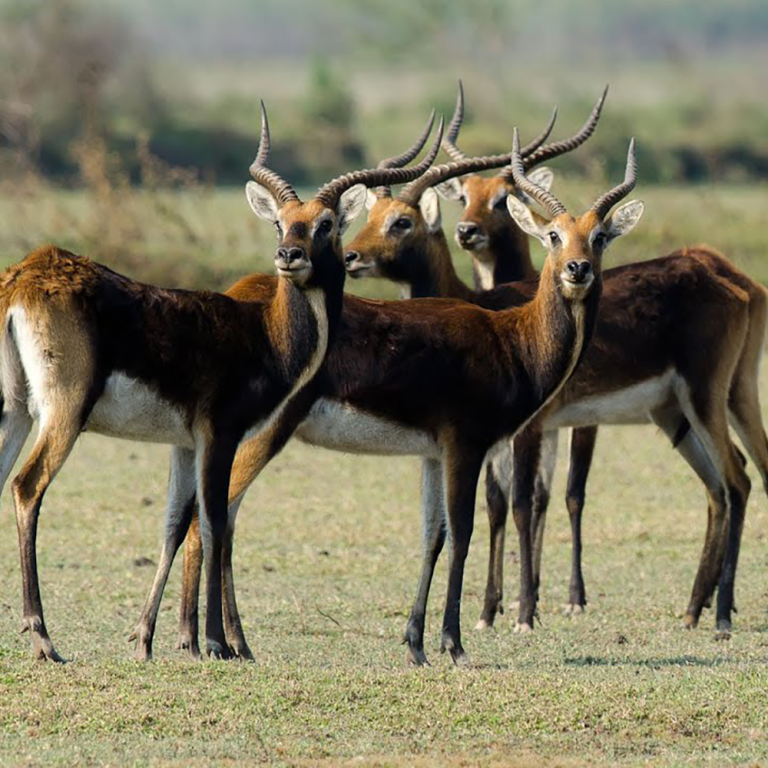
BLACK LECHWE
Kobus, genus of antelopes, family Bovidae (order Artiodactyla), containing about six species—the waterbucks and lechwes, the kob, and the puku. Members of this genus are native to Africa south of the Sahara.
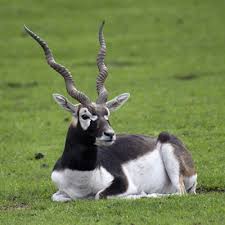
BLACKBUCK (Antilope cervicapra)
Also known as the Indian antelope, is a medium-sized antelope native to India and Nepal. It inhabits grassy plains and lightly forested areas with perennial water sources. It stands up to 74 to 84 cm (29 to 33 in) high at the shoulder.
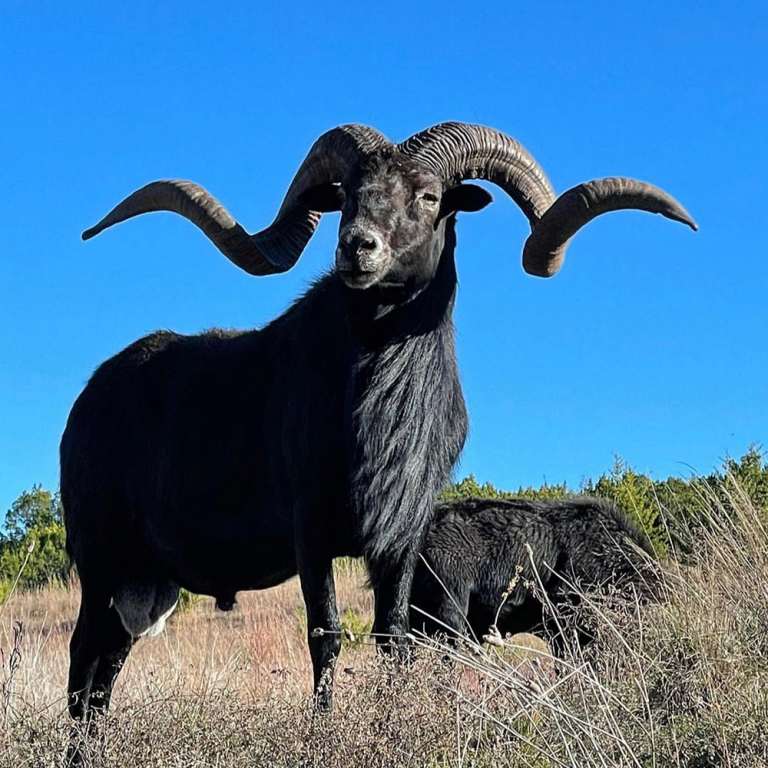
BLAK HW
The Black Hawaiian sheep is an exotic breed known for its striking black coat and massive, curved horns. Originally bred for hunting ranches, it is highly valued for its unique appearance and impressive trophy qualities. Strong and resilient, this sheep thrives in rugged environments. Its bold look and powerful stance make it one of the most distinctive exotic rams.
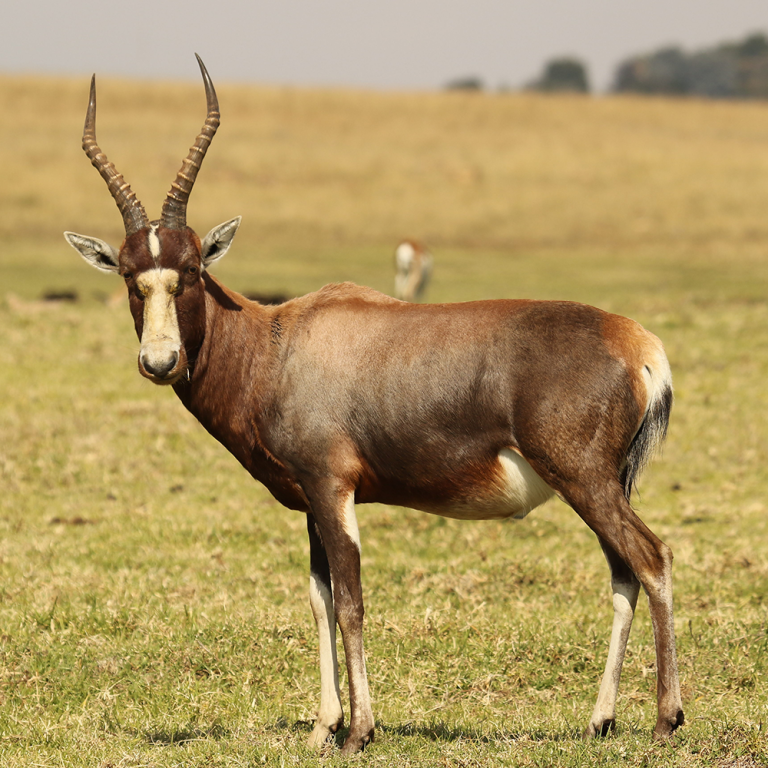
BLESBOK
The blesbok (Damaliscus pygargus phillipsi) is a subspecies of even-toed ungulate mammal from the Alcelaphinae subfamily. It is an African antelope notable for being one of the few—if not the only—animals to exhibit a natural purple coloration. It also features distinctive white markings on its face. Its distribution is restricted to a few protected areas in South Africa.
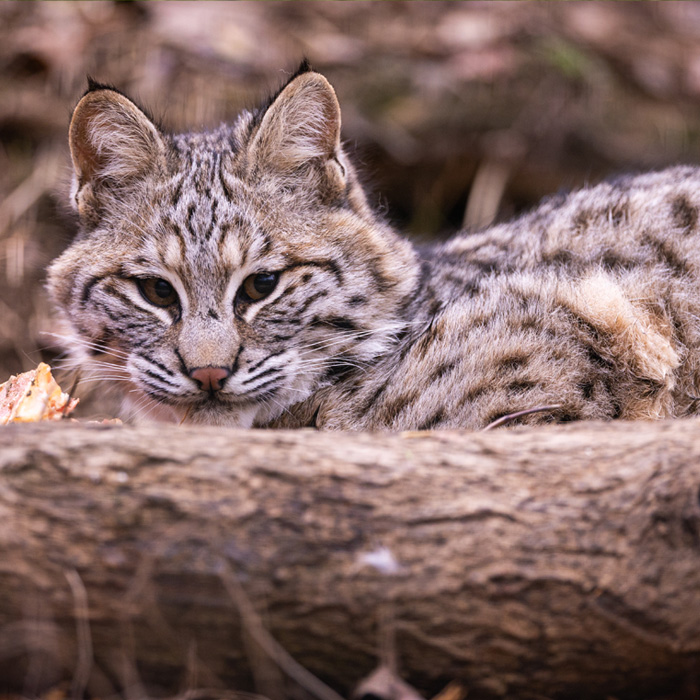
BOBCAT
(Lynx rufus), also known as the wildcat, bay lynx,[2][3] or red lynx,[4] is one of the four extant species within the medium-sized wild cat genus Lynx. Native to North America, it ranges from southern Canada through most of the contiguous United States to Oaxaca in Mexico.
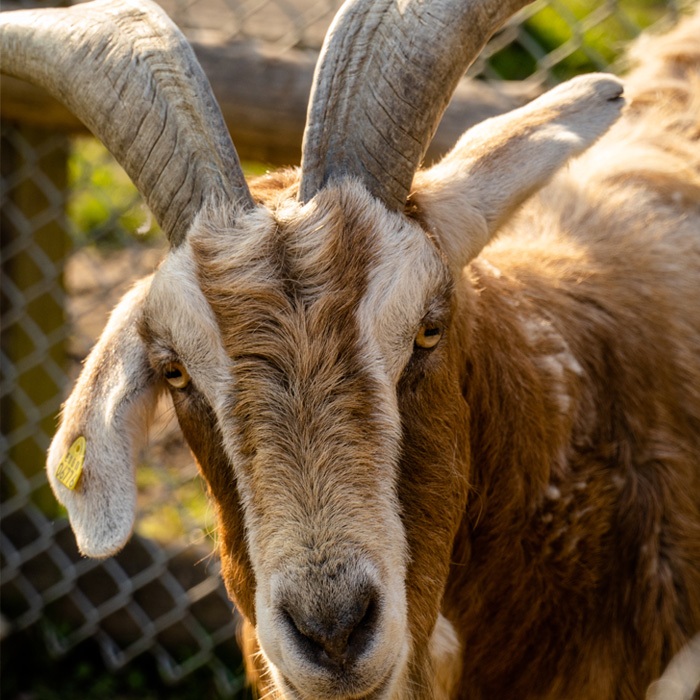
CATALINA GOAT
From spain beautiful, and extremely wide horns of the Catalina goat has made this goat breed special. This unique characteristics has made them eligible for trophy hunts. And it is the most sought-after game species and is hunted by many hunters. The breed is available in a wide variety of colors. But they are mostly found in brown, black, reddish-brown or white.
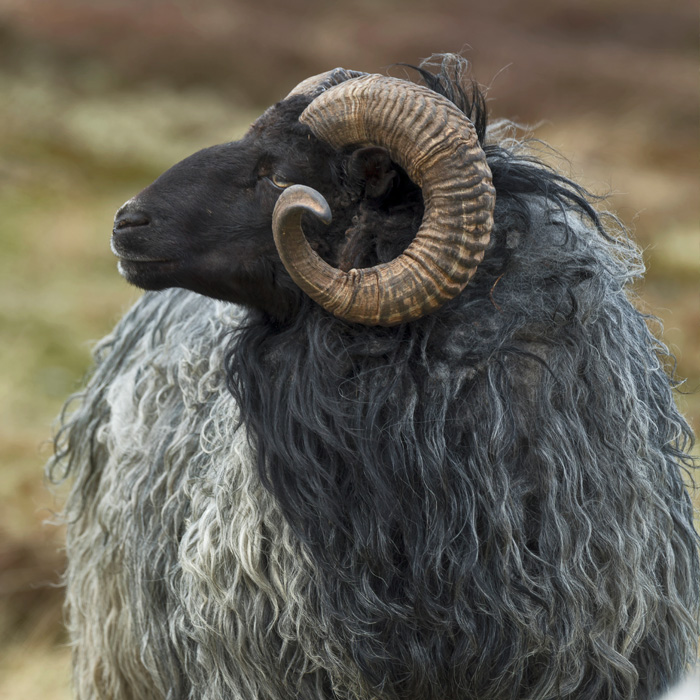
CORSICAN SHEEP
The Corsican Rams are hybrid sheep that originated in Texas. This is an excellent species to hunt all year round, and Corsican Rams are the most hunted exotic animal throughout North America. The rams can reach 160 lbs.
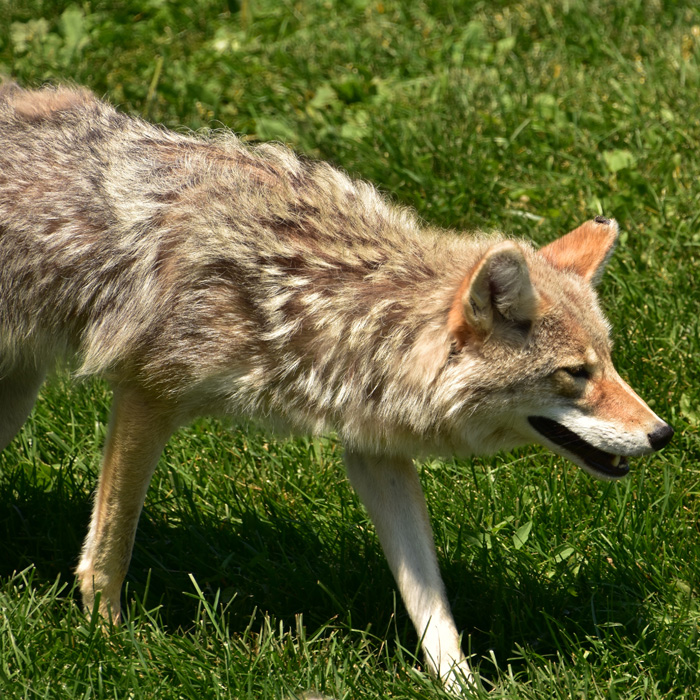
COYOTE
(Canis latrans) is a canid wild dog from all America. It is also called the prairie wolf, brush wolf or American jackal.
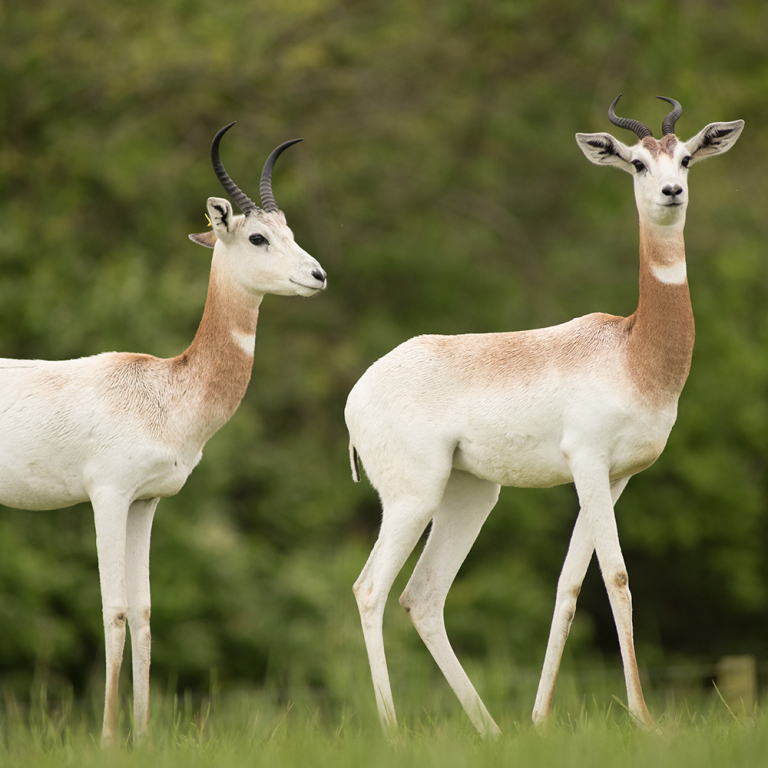
DAMA GAZELL
The dama gazelle, Mhorr gazelle, or addra gazelle (Nanger dama, formerly Gazella dama) is a species of even-toed ungulate mammal in the Bovidae family. This gazelle is endangered. It inhabits several countries in North Africa, and its natural habitat includes deserts and North African steppes.
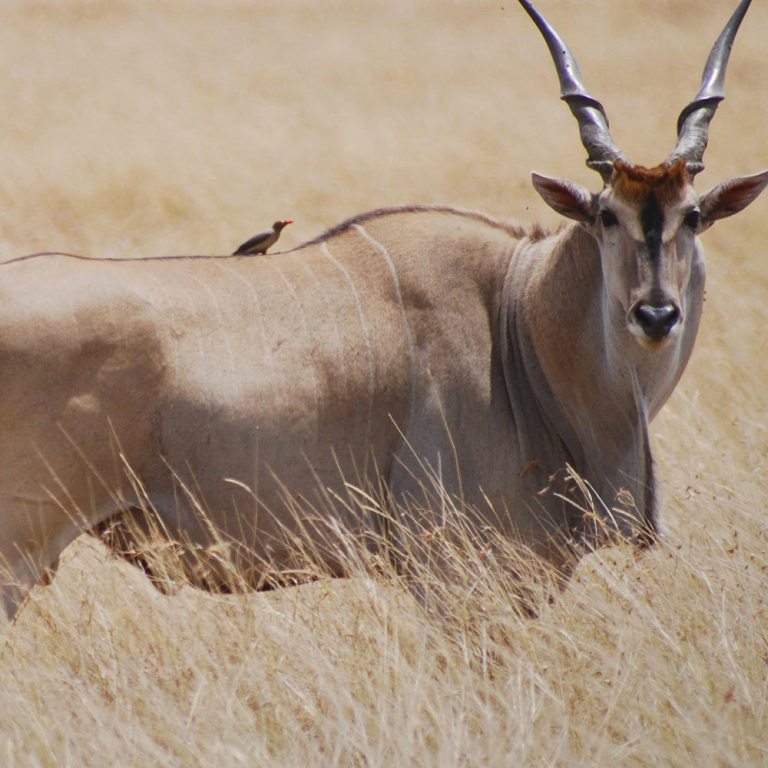
ELAND
Taurotragus is a genus of even-toed ungulate mammals belonging to the Bovinae subfamily, commonly known as eland antelopes. Two species are known.
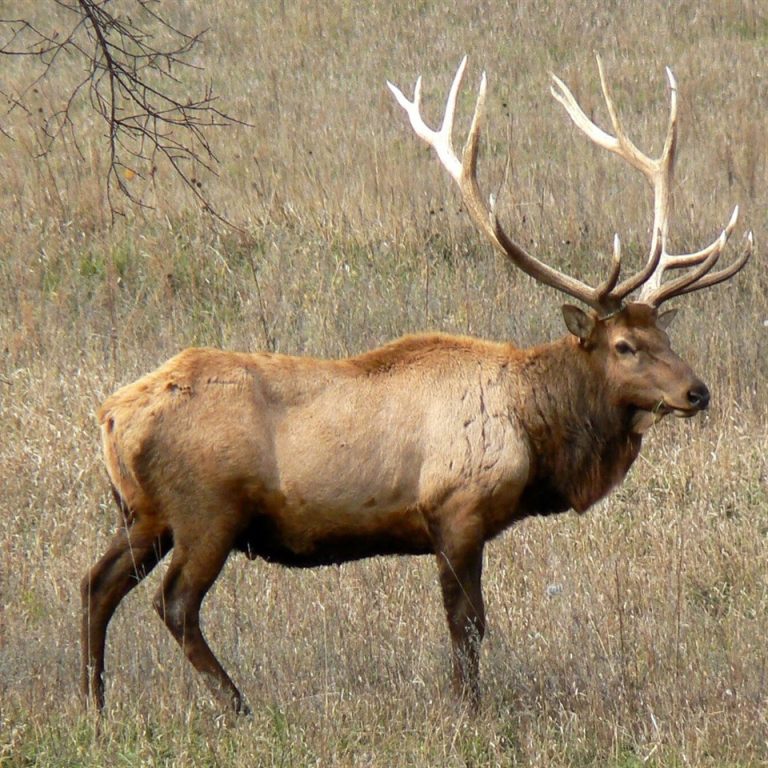
ELK
The elk (pl.: elk or elks; Cervus canadensis) or wapiti, is the second largest species within the deer family, Cervidae, and one of the largest terrestrial mammals in its native range of North America and Central and East Asia.
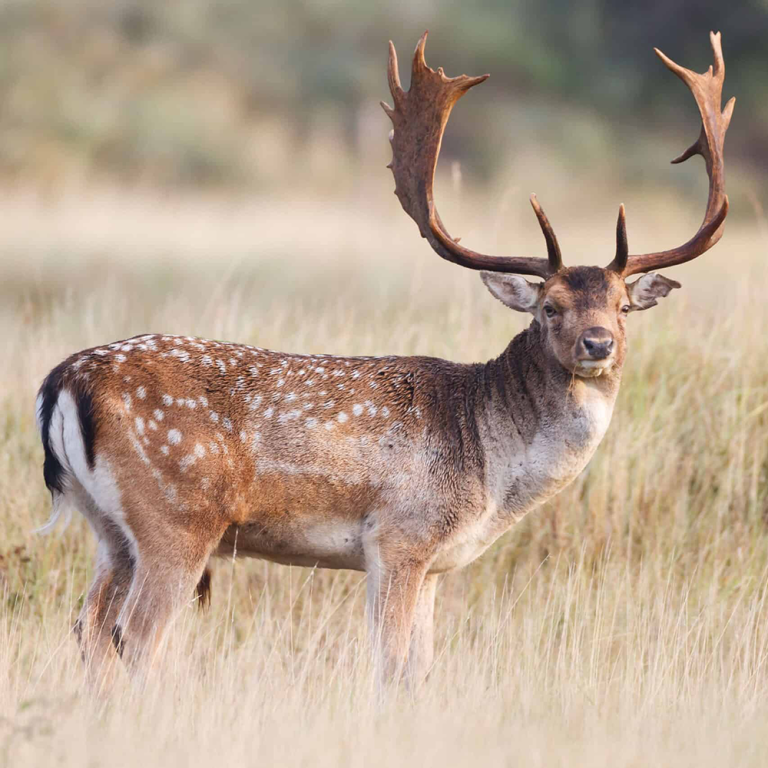
FALLOW DEER (Dama Dama)
Is the common name for species of deer in the genus Dama of subfamily Cervinae.[3] There are two living species, the European fallow deer (Dama dama), native to Europe and Anatolia, and the Persian fallow deer (Dama mesapotamica), native to the Middle East. The European species has been widely introduced elsewhere.
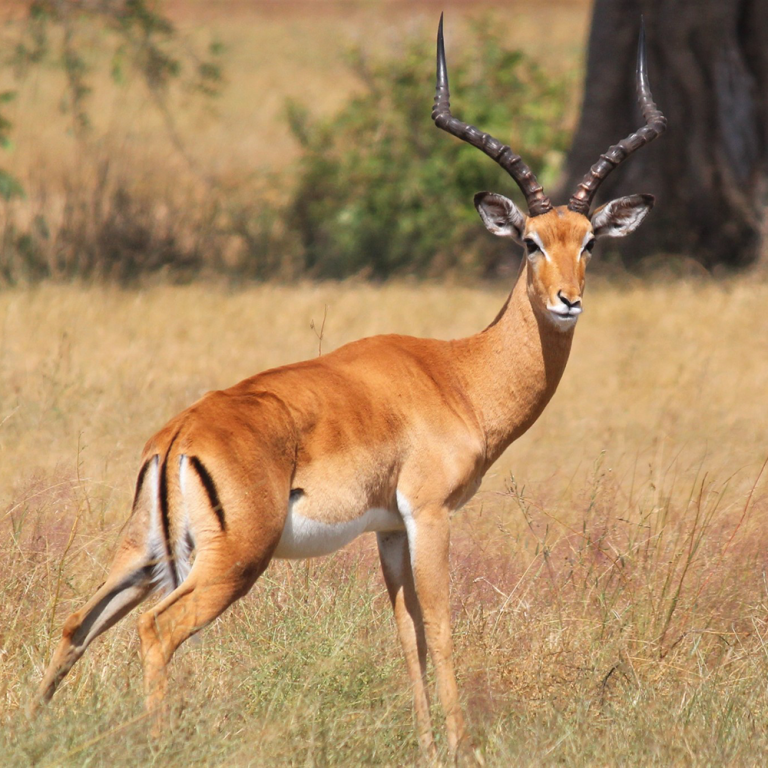
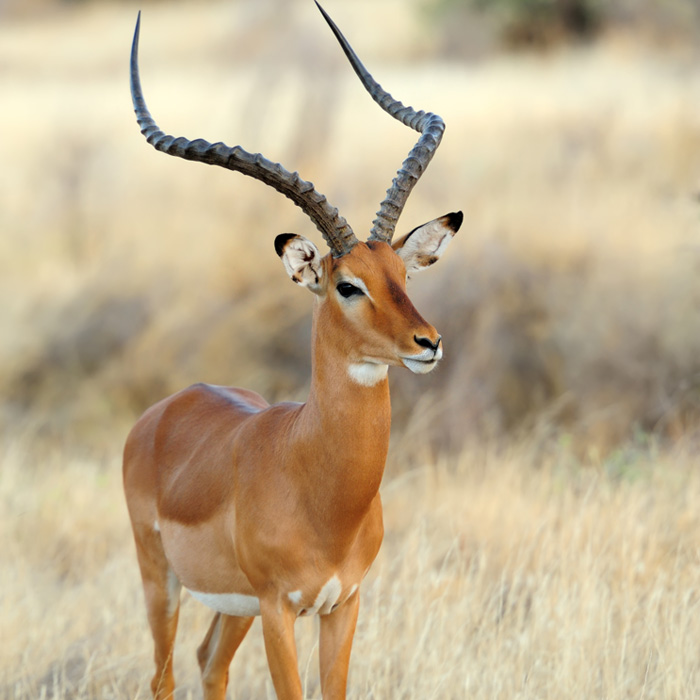
IMPALA
(Aepyceros melampus, lit. 'black-footed high-horn' is a medium-sized antelope found in eastern and southern Africa. The impala reaches 70–92 cm (28–36 in) at the shoulder and weighs 40–76 kg (88–168 lb). It features a glossy, reddish brown coat. The male's slender, lyre-shaped horns are 45–92 cm (18–36 in) long.
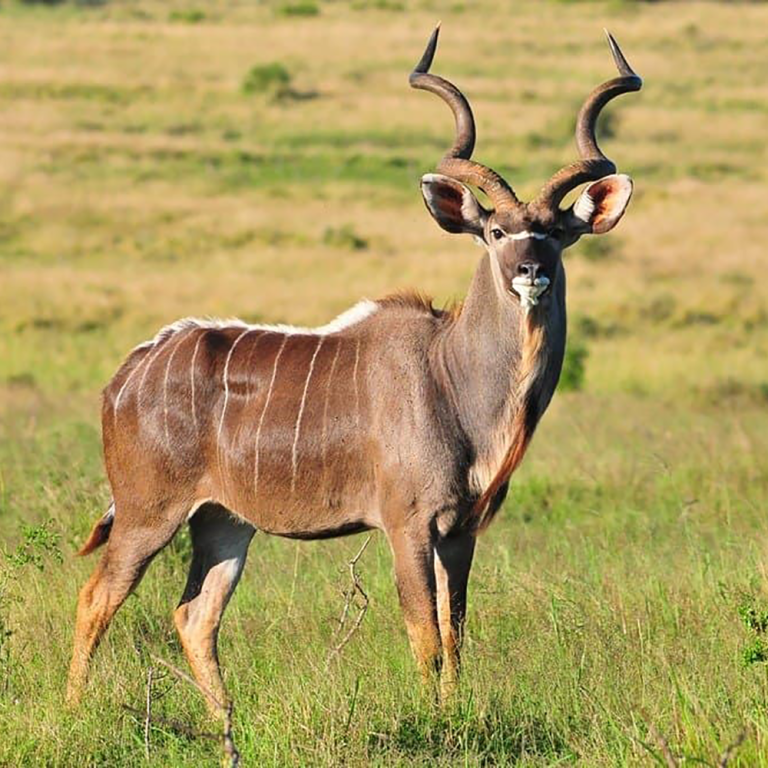
KUDU
(Tragelaphus) is a genus of medium-to-large-sized spiral-horned antelopes. It contains several species of bovines, all of which are relatively antelope-like. Species in this genus tend to be large in size and lightly built, and have long necks and considerable sexual dimorphism.
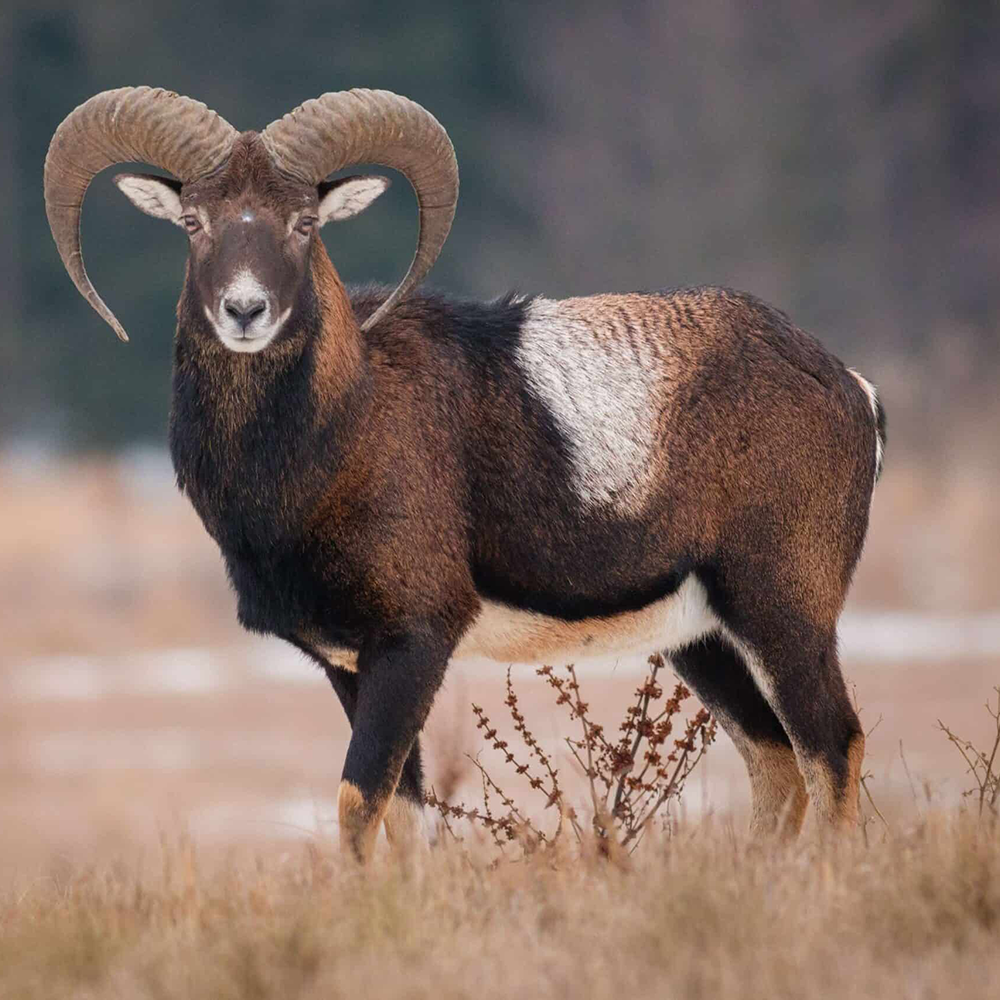
MOUFLON
The mouflon is a wild sheep native to the mountainous regions of Europe and Western Asia. It is considered one of the ancestors of modern domestic sheep. Mouflons are medium-sized animals, with males (rams) typically larger than females (ewes). One of their most distinctive features is the large, curved horns of the males, which spiral outward and backward. Females may have smaller horns or none at all.
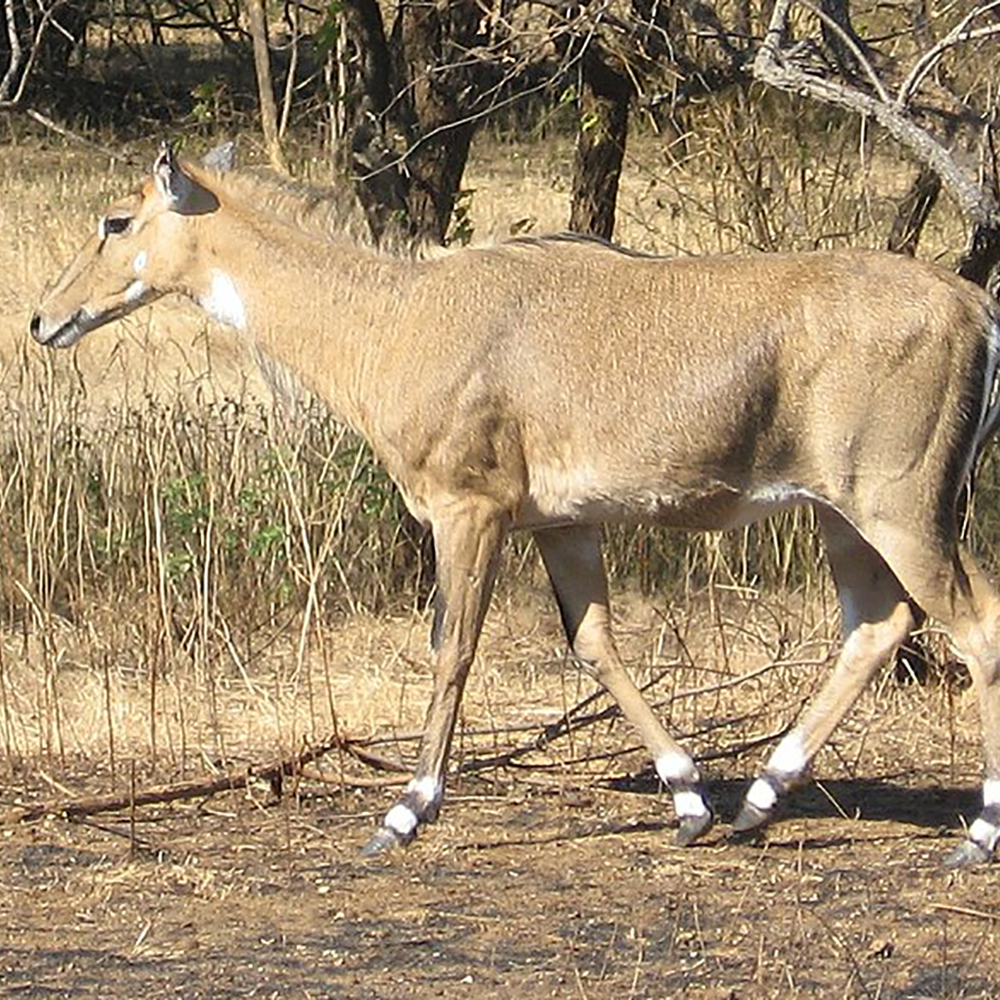
NILGAI
The nilgai is the largest Asian antelope, native to the Indian subcontinent. Males are bluish-grey with short horns, while females are brown and hornless. They have a sturdy build, long legs, and a white patch on the throat. Nilgai are herbivores and prefer open plains, grasslands, and scrub forests.
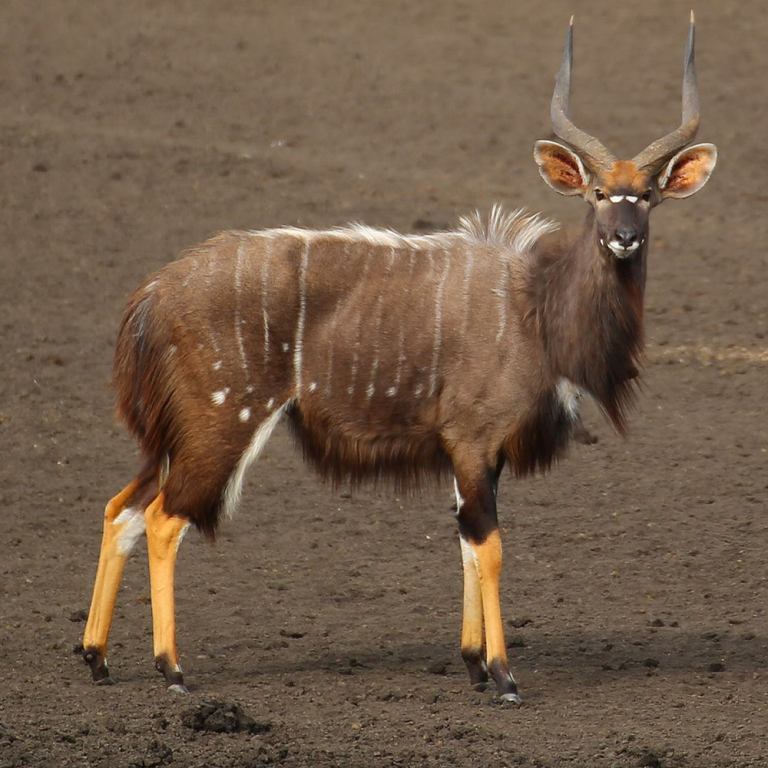
NYALA
(Tragelaphus angasii)[3] is a spiral-horned artiodactyl antelope native to Southern Africa. The species is part of the family Bovidae and the genus Tragelaphus (formerly placed in the genus Nyala). It was first described in 1849 by George French Angas and exhibits the highest sexual dimorphism among the spiral-horned antelopes. It is not to be confused with the endangered mountain nyala living in the Bale region of Ethiopia.
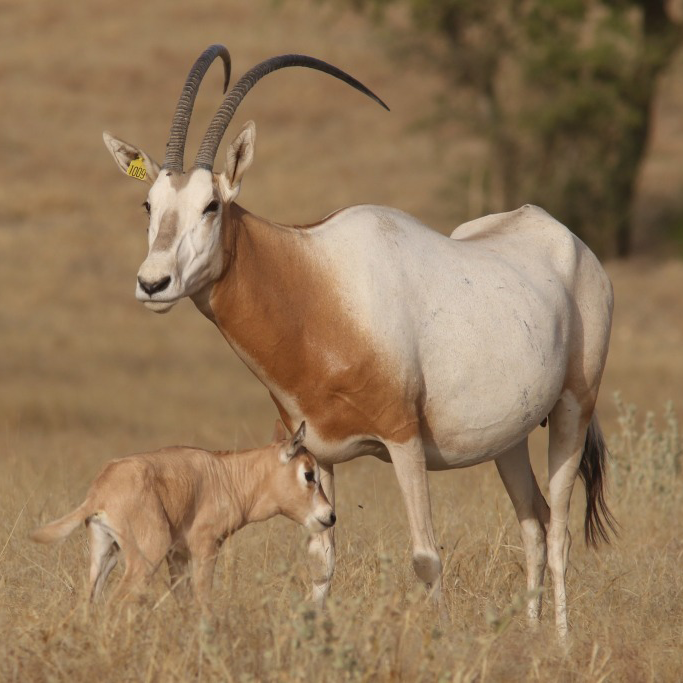
ORIX
The Oryx comprises a group of four large antelope species. Researchers group all four species, the Arabian, Scimitar, East African, and the Gemsbok, Oryxes are large antelopes with long, vertical horns, the horns grow nearly five feet long!
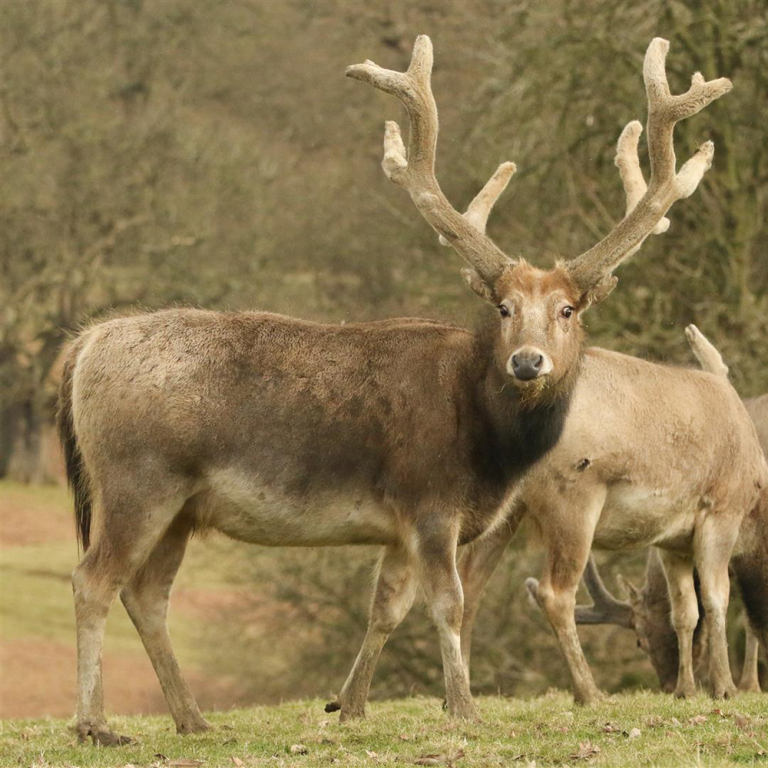
PERE DAVID’S DEER
Is a majestic and unique breed that originated in China. The informal name of this deer in Chinese, ” These deer were declared extinct in their native China in the 19th Century and were only saved because a few were illegally transported to Europe. They have been raised in captivity around the world and were reintroduced in China in the 1980s, with reintroduction in the wild occurring in the early 200’s. A Pere David hunt is a truly rare and unique experience.
RED LECHWE
The lechwe is native to Botswana, Zambia, southeastern Democratic Republic of the Congo, northeastern Namibia, and eastern Angola, especially in the Okavango Delta, Kafue Flats, and Bangweulu Wetlands.
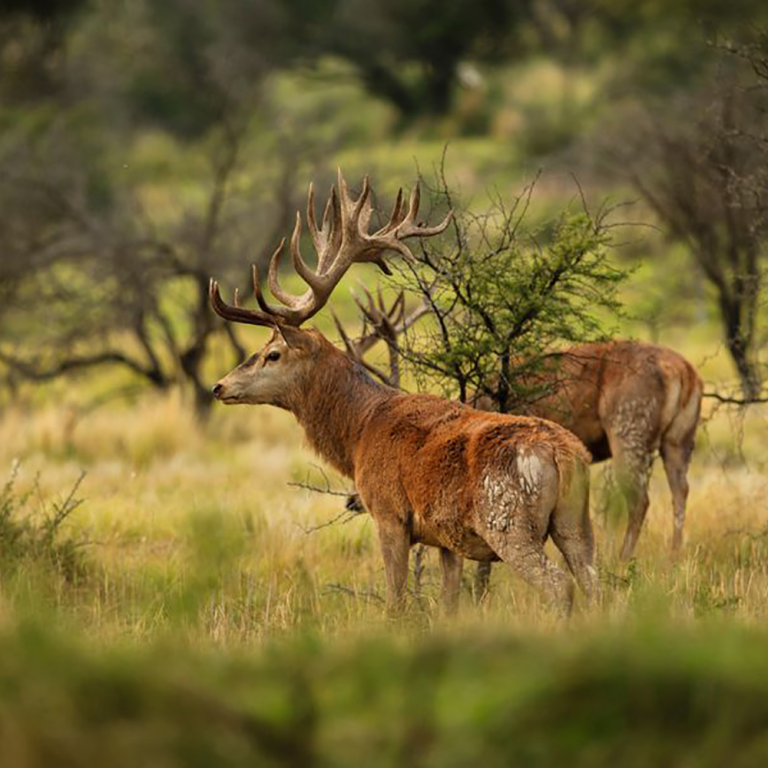
RED STAG
The red stag is native to Europe and Asia and is one of the largest deer species living today. While large breeding populations exist in the United States, such as those at Cotton Mesa, they are typically found in the United Kingdom, Germany, France, Spain, as well as China, Mongolia, and Russia. Due to their wide range of habitats, red stags have become incredibly adaptable deer, thriving in forests, woodlands, grasslands, and mountainous regions.
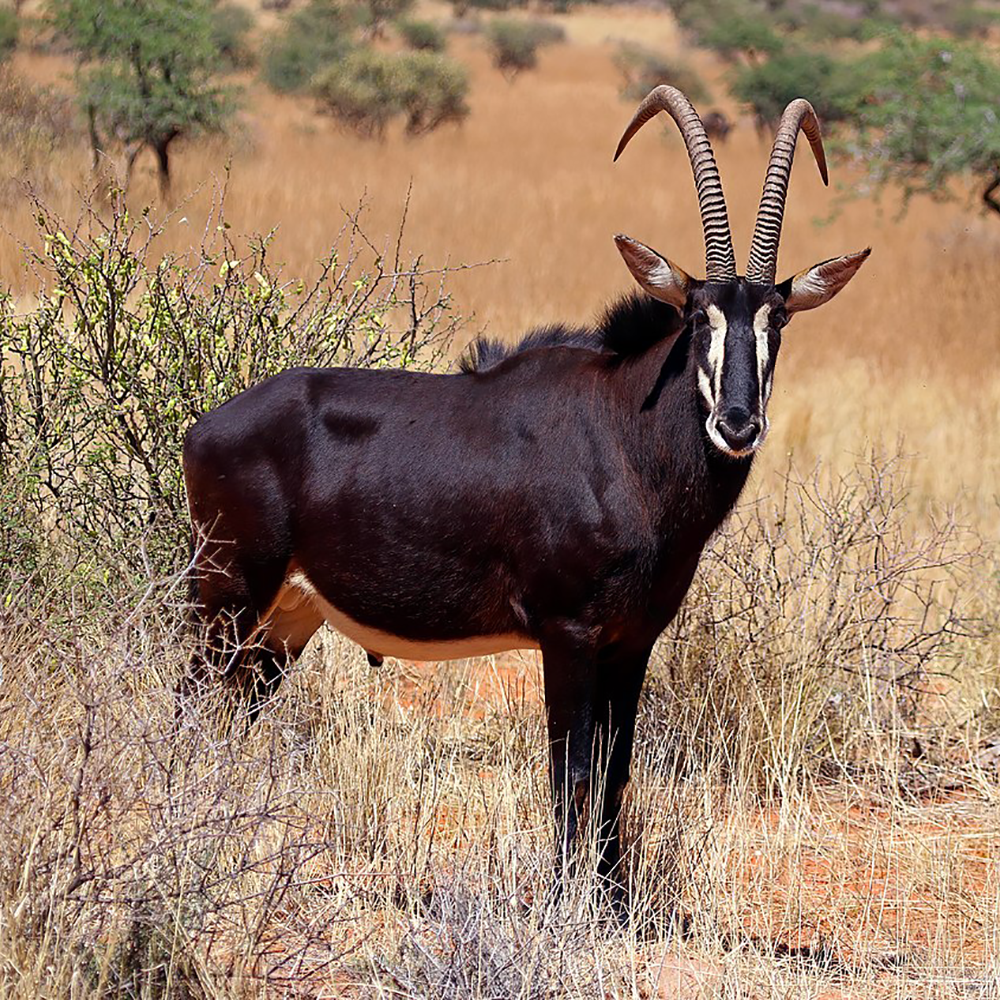
SABLE
The sable is a large and elegant antelope native to eastern and southern Africa. Males are jet black with long, curved horns, while females are chestnut brown. They have a white underbelly and facial markings, giving them a striking look. Sables live in woodlands and savannas, feeding on grasses and leaves.
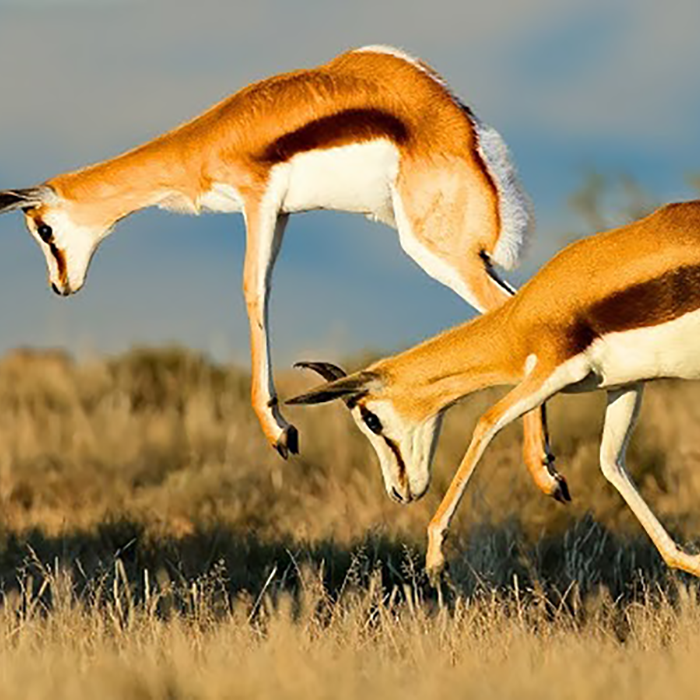
SPRINGBOK
(Antidorcas marsupialis) is an antelope found mainly in south and southwest Africa. Thre are identified. A slender, long-legged antelope, the springbok reaches 71 to 86 cm (28 to 34 in) at the shoulder and weighs between 27 and 42 kg (60 and 93 lb). Both sexes have a pair of black, 35-to-50 cm (14-to-20 in) long horns that curve backwards.
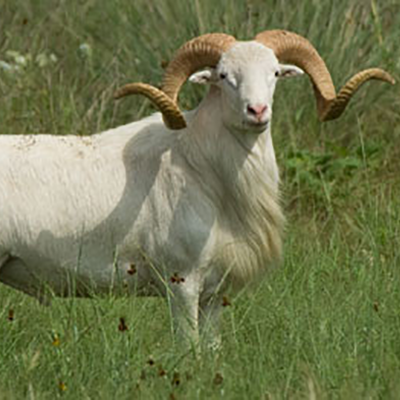
TEXAS D
The Texas Dall is a hybrid sheep, bred in Texas from Mouflon and domestic sheep. It has a white coat and large, spiraled horns in both males and sometimes females. Known for its striking appearance, it is popular in exotic game hunting ranches. Texas Dalls are hardy animals that thrive in dry, rocky terrains.
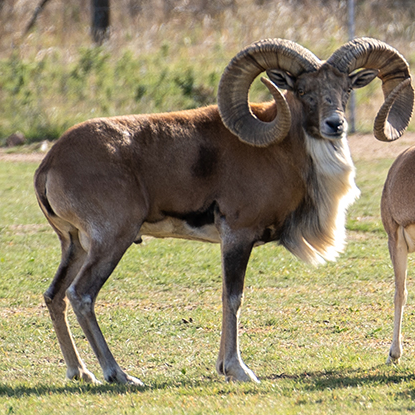
TRANSCAPIAN URIAL
Transcaspian Urial are the most expensive as well as desirable of the Urials. They’re about double the size of a mouflon sheep, making them the perfect trophy to mount on your wall! You may hunt our trophy Transcaspian Urial using any method you prefer, including Spot and Stalk, Bow Hunting, Rifle Hunting, Pistol Hunting, Safari Style, or from a Blind.
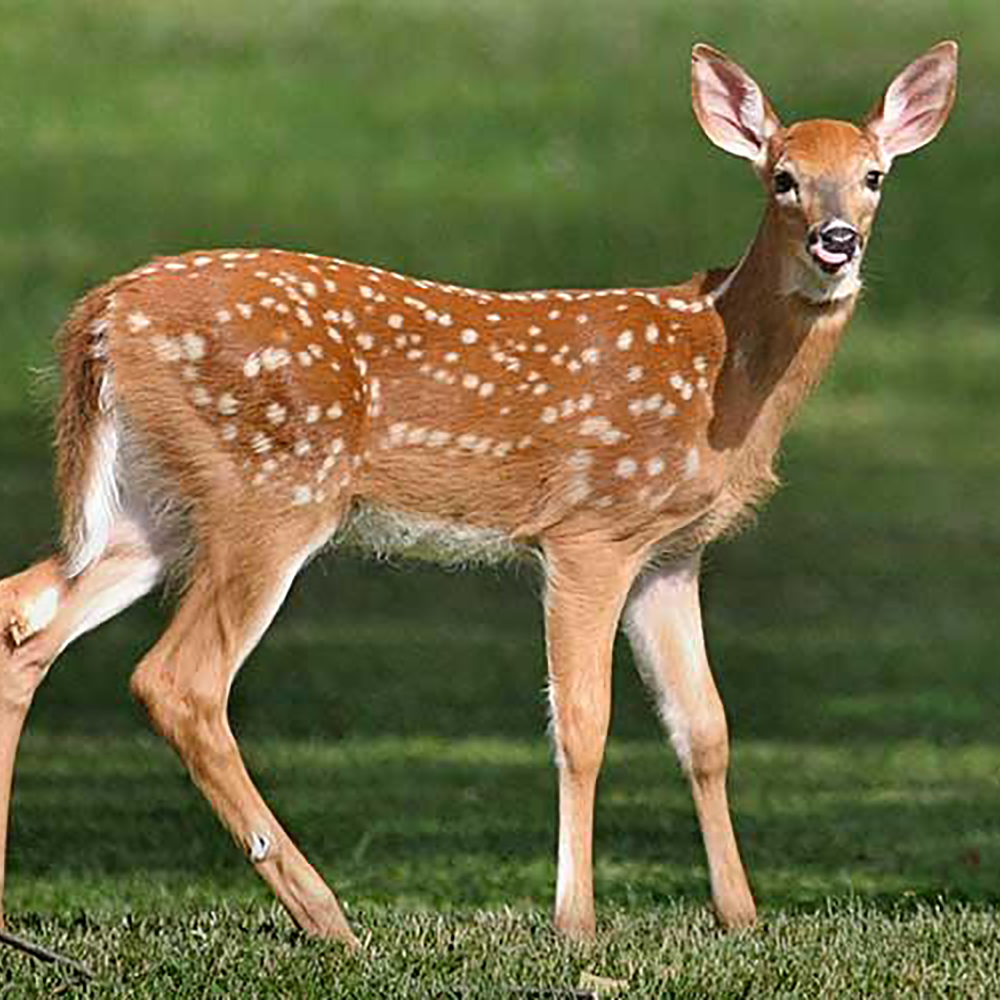
WHITE-TAILED DEER
The white-tailed deer, also known as capasurí,[2] Virginia deer, or gray deer (Odocoileus virginianus), is a species of even-toed ungulate mammal in the deer family (Cervidae). It inhabits a wide range of ecosystems across the Americas, from the subarctic regions of Canada, through the dry forests of Mexico’s mountain slopes, the tropical rainforests of Central and South America, to the equatorial dry forests of northern Peru and other forested areas in South America.
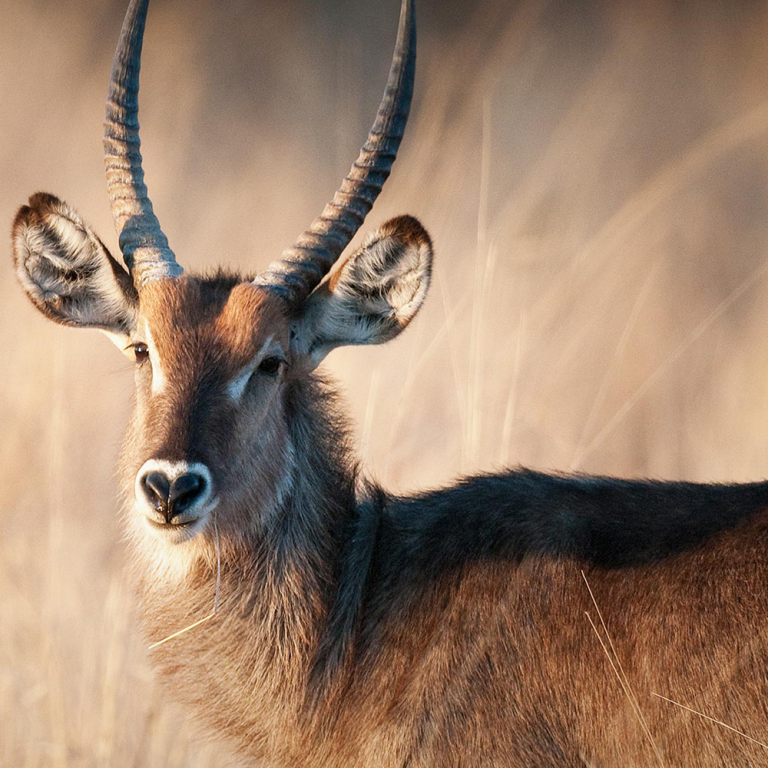
WATERBUCK
The waterbuck (Kobus ellipsiprymnus) is a large antelope found widely in sub-Saharan Africa. It is placed in the genus Kobus of the family Bovidae.
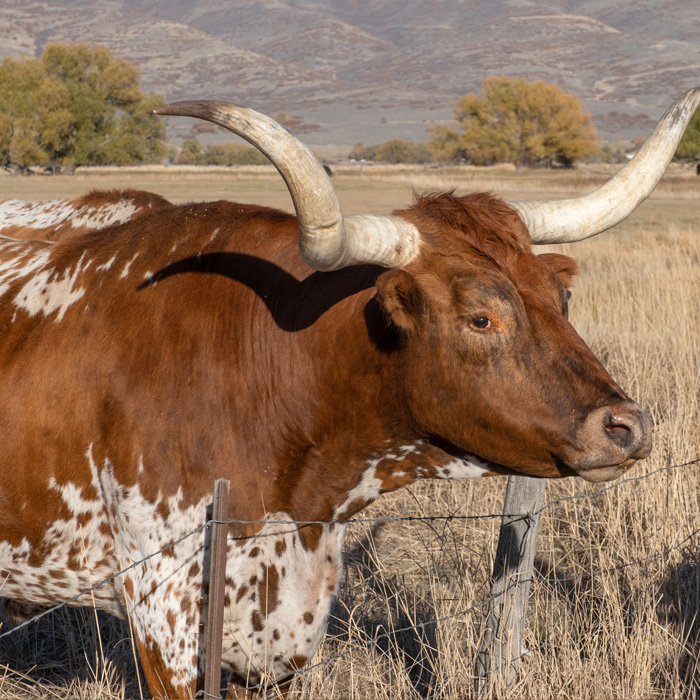
WATUSI
Watusi derives from cattle of the Ankole group of Sanga cattle breeds of east and central Africa. Some of these were brought to Germany as zoo specimens in the early twentieth century, and from there they spread to other European zoos. Some were imported to the United States, and in 1960 a herd was started in New York State by cross-breeding some of them with an unrelated Canadian bull.[2]: 110 A breed society, the Ankole Watusi International Registry, was set up in 1983,[2]: 110 and in 1989 a breed standard was drawn up.[4] In 2016 the total number for the breed was thought to be approximately 1500 head, some 80% of them in the United States.
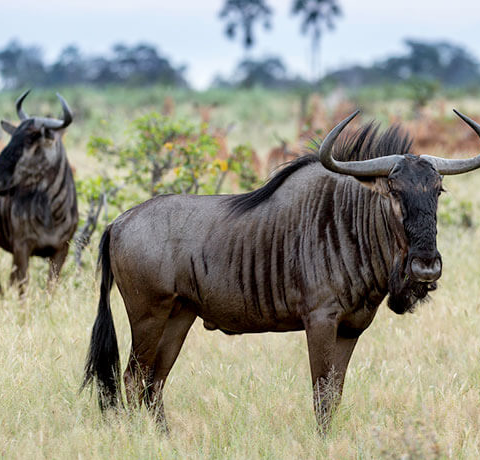
WILDEBEEST
Also called gnu are antelopes of the genus Connochaetes and native to Eastern and Southern Africa. They belong to the family Bovidae, which includes true antelopes, cattle, goats, sheep, and other even-toed horned ungulates. There are two species of wildebeest: the black wildebeest or white-tailed gnu (C. gnou), and the blue wildebeest or brindled gnu.
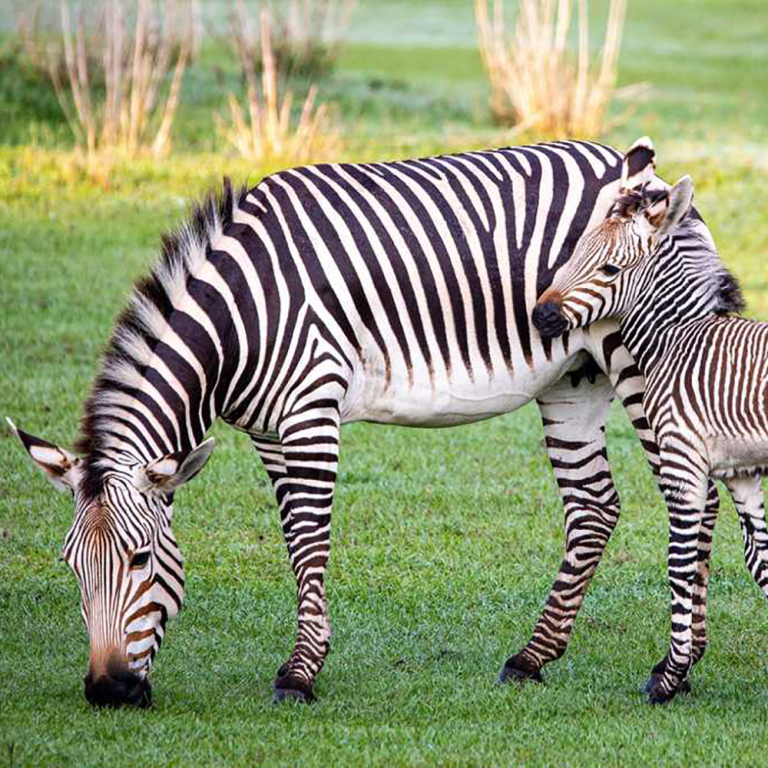
ZEBRA
Zebras are African equines with distinctive black-and-white striped coats. There are three living species: Grévy's zebra (Equus grevyi), the plains zebra (E. quagga), and the mountain zebra (E. zebra). Zebras share the genus Equus with horses and asses, the three groups being the only living members of the family Equidae.